
Club Cricket Kit Checklist: 15 Items to Pack Before Every Match
A club match is rarely lost at the toss. It is lost at 8:40 on a Saturday morning, when you discover your pads are still in the garage, your spikes are soaked through, and the only batting gloves in the car belong to someone else. Everyone remembers the bat. Almost nobody remembers the second grip, the spare socks or the roll of tape.
What follows is the checklist worth running through the night before any club game — league fixture, Sunday friendly or midweek T20. It starts with the gear that protects you, works through clothing and footwear, and finishes with the small items that quietly determine how much you enjoy the next six hours.
Protective gear comes first
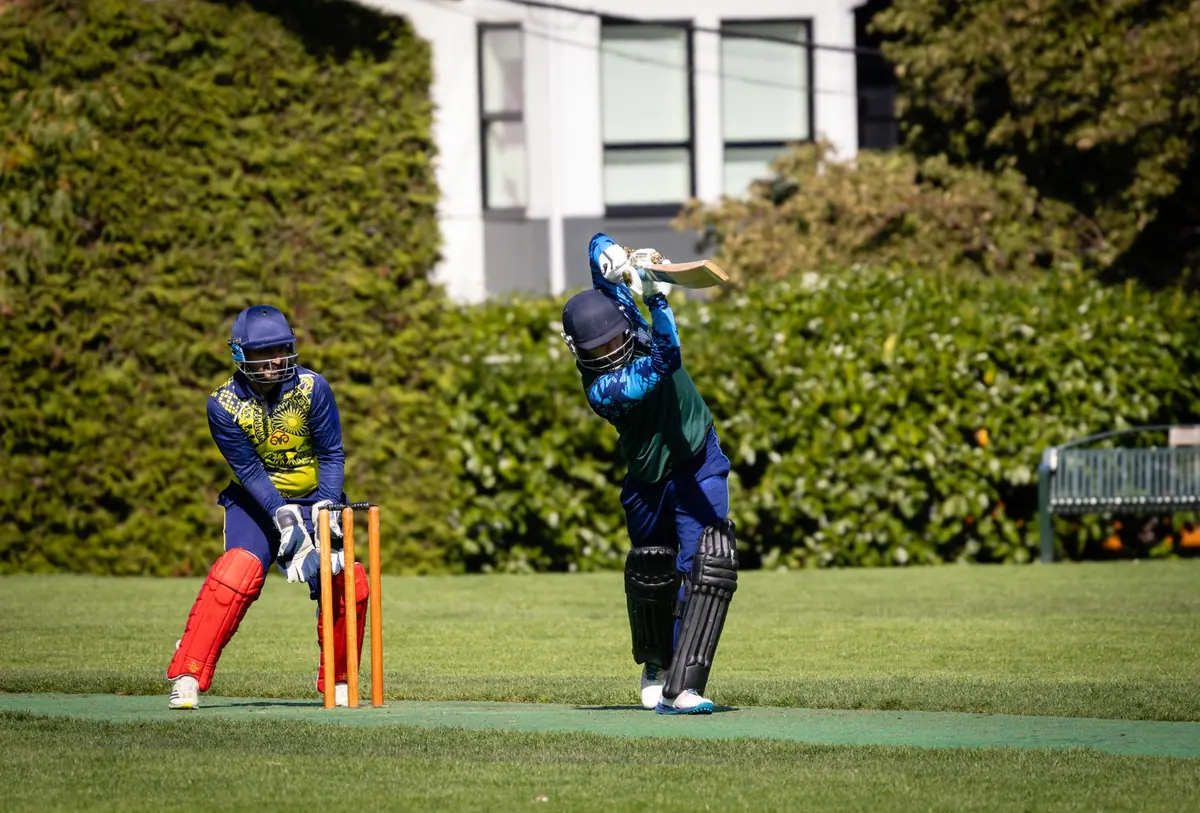
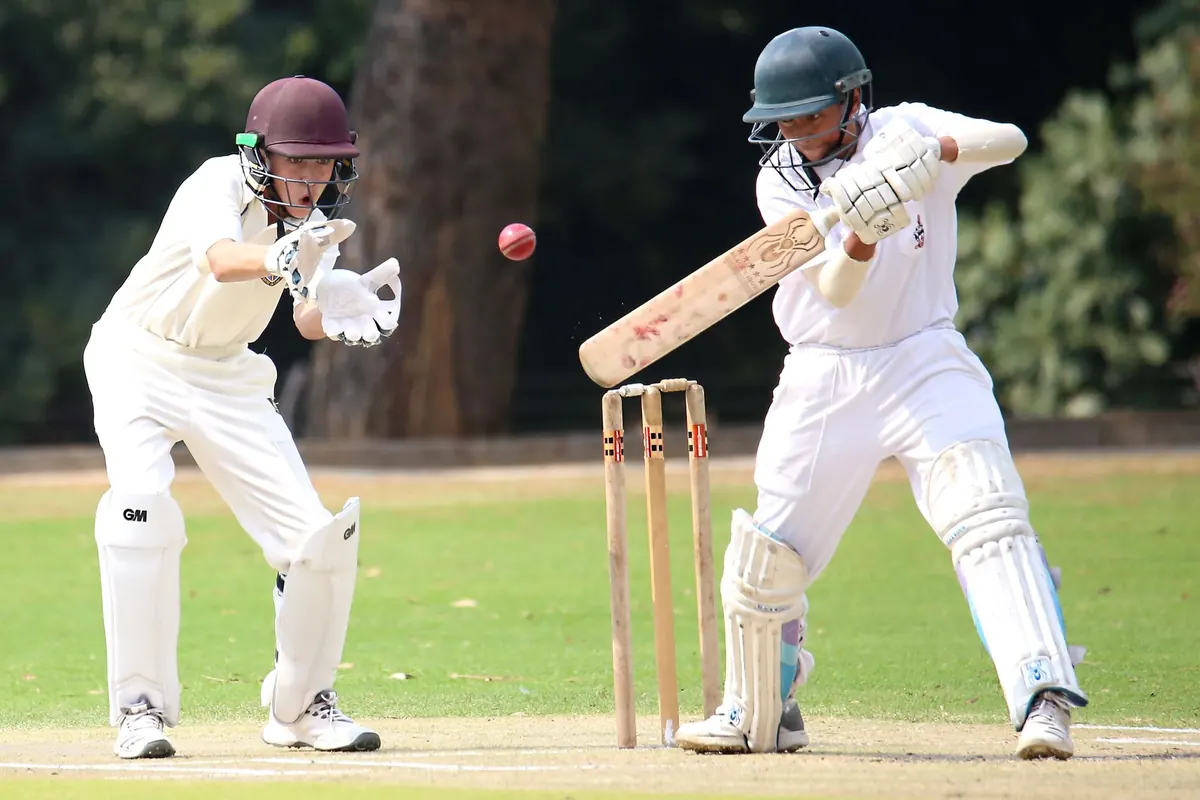
If you bat anywhere above number eleven, this section is non-negotiable. Start with the helmet: the grille should sit close to your face without pressing on your nose, the straps should hold it steady when you shake your head, and there should be no cracks in the shell. A helmet that wobbles is worse than useless, because you will spend your innings thinking about it instead of the bowler.
Then check your gloves and pads before they go in the bag, not at the ground. Gloves with a split palm roll or flattened fingers offer poor grip and worse protection. Pads should cover the knee properly when you crouch — if the top strap sits below the kneecap, they are the wrong size for you. Add a thigh pad, an arm guard if you face anything quick, and never, under any circumstances, leave the abdominal guard at home. Keepers should pack gloves, inners and keeping pads together in one place so nothing goes missing between overs.
Clothing and footwear
Club cricket is played in heat, drizzle, wind and the kind of cold that settles in during a long afternoon in the field. Layering solves most of it. A club shirt and trousers in the correct colour for the format, a sweater for the morning session, and a cap or wide-brimmed hat covers the majority of conditions. If you sweat heavily or the forecast looks wet, a spare shirt and spare socks in a plastic bag will feel like a small luxury by tea.
Footwear deserves its own moment. Spiked shoes should be dry and have studs that have not worn flat, and a pair of trainers or slides for the journey home is worth the space. Try your spikes on with the socks you actually play in — a thin sock in a shoe fitted for thick ones is how blisters start.
The 15-item match-day checklist
Pack these, then check them again at the door.
- Bat — plus a second bat if you own one, because a cracked toe should not end your day.
- Helmet with grille — fitted, undamaged, straps checked.
- Batting gloves — both hands, no holes in the palm.
- Batting pads — your size, straps intact.
- Abdominal guard — and a spare, because these get left in changing rooms more than anything else.
- Thigh pad and arm guard — personal choice, but rarely regretted.
- Wicketkeeping kit — gloves, inners, pads and a spare set of inners if you keep.
- Spiked shoes — dry, studs intact.
- Trainers or slides — for before the game and the drive home.
- Club shirt and trousers — clean, right colour for the format.
- Spare shirt and socks — in a bag, not loose at the bottom of the kit.
- Sweater or jacket — for cold mornings and long spells in the field.
- Cap or sun hat — and sunglasses if you field in the deep.
- Water bottle — at least a litre, refilled before you leave.
- Small pouch — tape, scissors, a spare grip, blister plasters, sunscreen and lip balm.
Spares that rescue a match
Spares are the difference between a minor annoyance and a ruined afternoon. Bat tape and a spare grip cost little and take up almost no room; a grip that twists in your hands during a tight chase is a horrible feeling. Carry a spare set of laces if your shoes use them, and a second pair of batting gloves if you have an old set lying around.
If you are the player who brings the training balls, keep one in the bag as a spare match ball for practice or for the umpires. And learn the borrowing etiquette: ask around before the game starts, not while you are walking out to bat with one glove on.
Small items players always forget
These are the things nobody lists and everybody needs. Sunscreen, even on a cloudy day, because six hours in the field adds up. A towel for rain, sweat and mud. Blister plasters. A roll of tape that also fixes a broken shoelace, a loose grip and a split pad strap. A small snack for the innings break if tea is a long way off.
Two more: a power bank or car charger if you use your phone for scoring or travel, and any regular medication you take, along with a note to follow your own doctor's advice on it. If you carry a first aid kit for the team, check it before the season gets busy and restock what you have used.
Team kit and shared jobs
Someone has to bring the stumps, bails, boundary markers, umpire counters and scorebook. Agree that in advance rather than assuming. The same applies to the match ball, the first aid kit and the water for the changing room. A short message in the group chat the night before — who is bringing what, and what time the ground opens — prevents the familiar sight of twenty players standing around a square with no bails.
The night-before routine
Ten minutes on a Friday evening makes match day calm. Lay your clothes out. Check the bag against the list above. Charge your phone. Confirm the start time, the ground and the travel. Look at the forecast and add or remove a layer accordingly. Then put the bag by the front door, not in the boot of the car you might not be driving.
Do that and you will arrive with time to warm up, chat, and think about the cricket. That is a much better way to start than hunting through a changing room for a left-handed batting glove ten minutes before the first ball.