How to Start a Weekend Cricket Club in Your Neighborhood: A Step-by-Step Guide
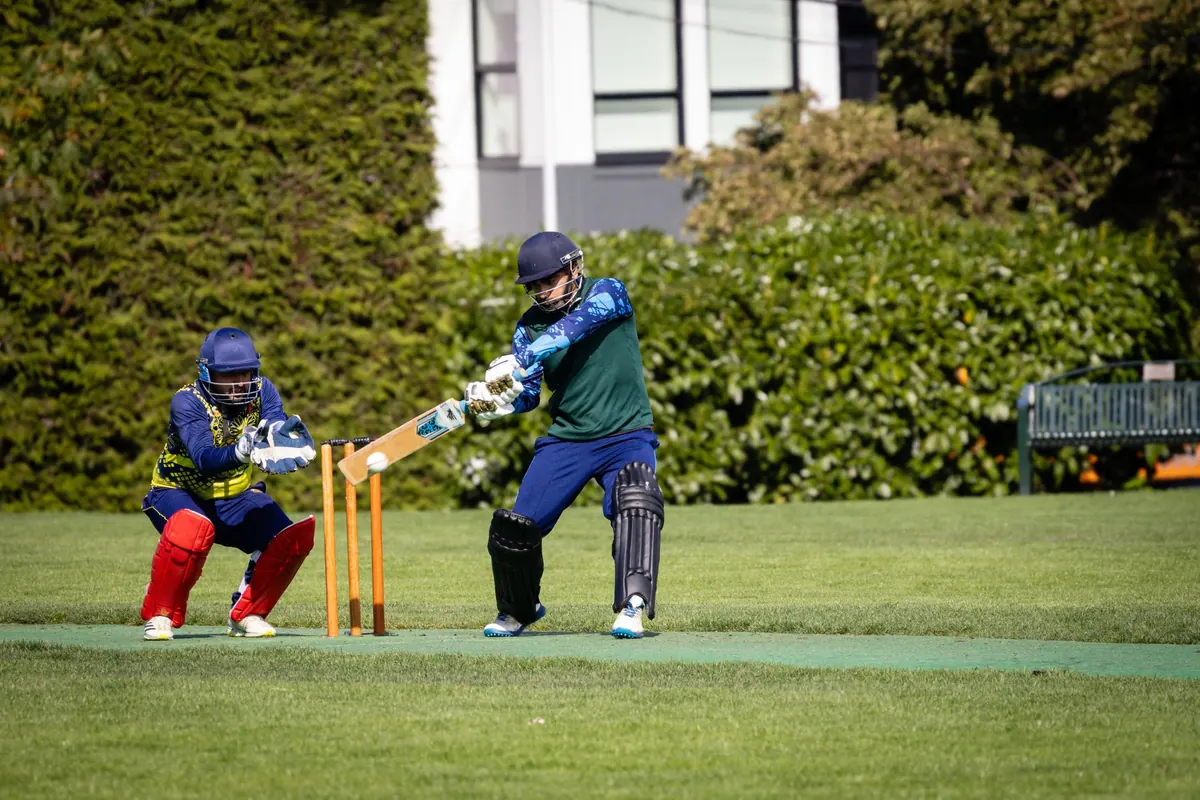
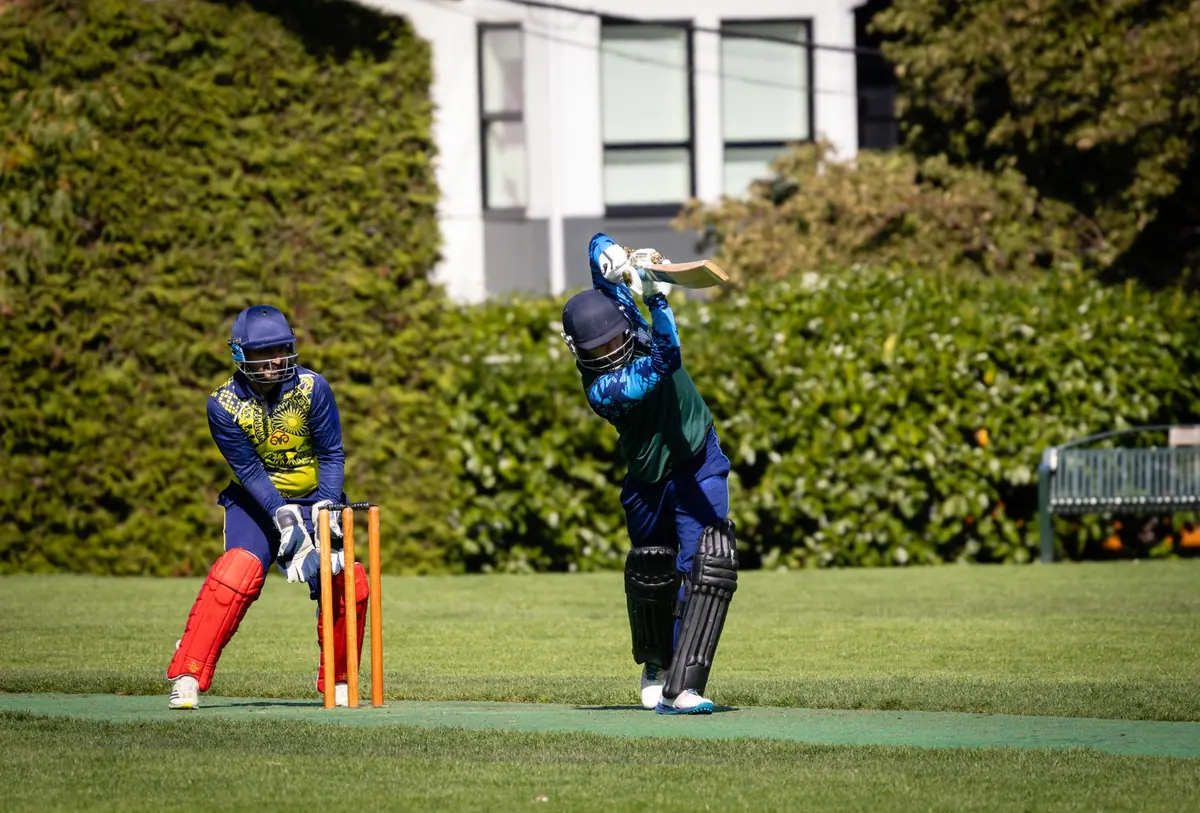
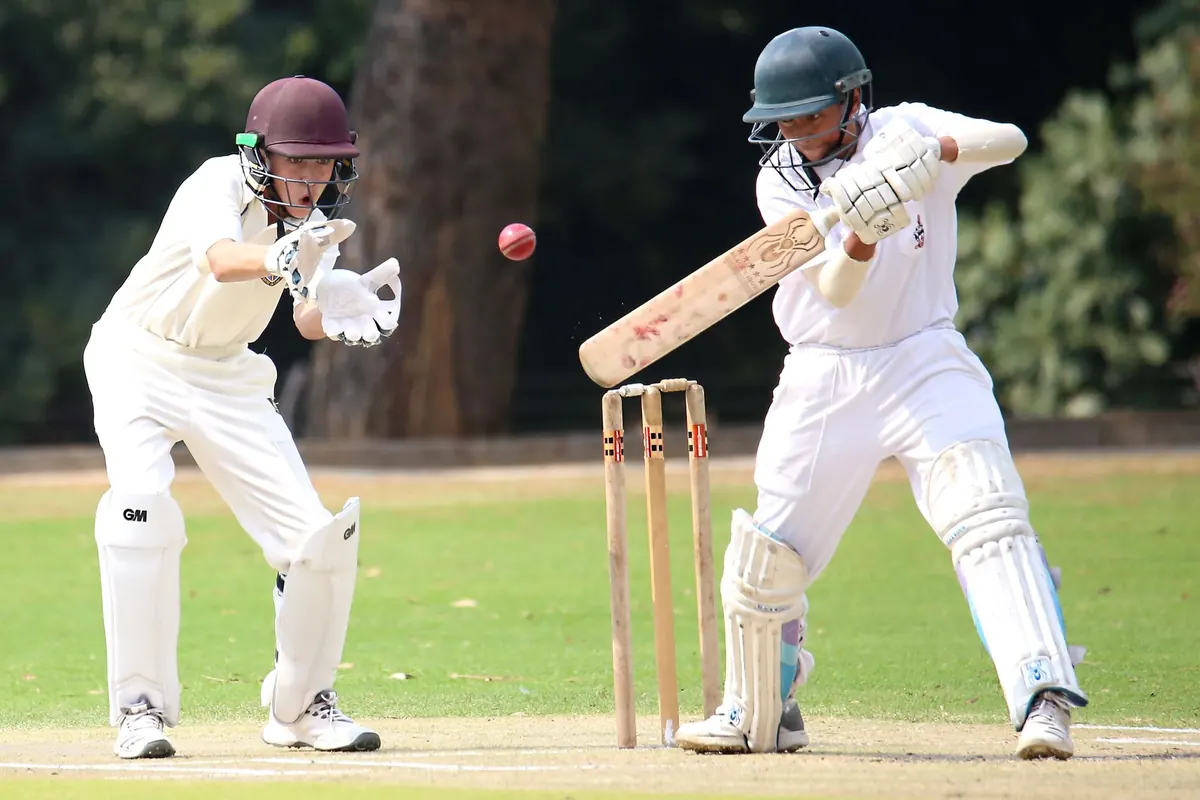
Most cricket clubs start the same way: three friends, one decent bat, and a group chat that quietly gets out of hand. That is a perfectly good foundation. A weekend club does not need a pavilion, a hundred members or a sponsor's logo on the shirts. It needs a regular game, somewhere to play it, and just enough organisation that people still turn up in July.
What follows is the order of operations that saves the most grief — the jobs to finish before you announce anything publicly, and the ones that can wait until you have a dozen players genuinely committed.
Decide What Kind of Club You Are
Before you recruit a single player, answer three questions in writing: when do we play, where do we play, and how often? A Sunday afternoon friendly side that plays twelve games a season is a very different animal from a Saturday league team with a fixture list and points on the line. The first is easy to run and hard to grow. The second demands more money, more admin and a firmer commitment from everyone involved.
Write your answer as a single paragraph — something like: We play friendly twenty-over games on Sunday afternoons between May and September, mostly at home, and we welcome anyone who can hold a bat. That paragraph becomes your recruitment pitch, your answer to every "what's the standard?" question, and the thing that stops you drifting into something nobody signed up for.
Recruiting Players Without Begging
Aim for sixteen to eighteen names, not eleven. Holidays, weddings, work and hamstrings will remove three or four of them from any given weekend. The easiest places to find them:
- Colleagues and neighbours — start with people who have mentioned cricket in passing. They are already halfway in.
- Parents at the school gate — plenty of people played until they were eighteen and would love to play again at a lower standard.
- Overspill from existing clubs — good players who cannot get a Saturday game are ideal recruits for a Sunday side.
- Local community groups and noticeboards — a short, specific post beats a vague one. Say the day, the format and the standard.
- Winter indoor nets — the single best recruitment tool there is. Hire a hall, invite everyone, and see who keeps coming back in February.
Ask each founding member to bring one person rather than five. A slow trickle of committed players beats a rush of enthusiasm that evaporates by the second fixture. And be honest about the standard: if it is social cricket, say so. Mismatched expectations are the most common reason new clubs fold.
Finding a Ground
This is where most founding committees spend their first spring. There are three realistic options.
Public parks and council grounds
Cheap or free, but squares vary and covers are rare. You will usually need to book a pitch or a marked area in advance, and you may be sharing the outfield with a dog walker. Visit at the exact time you intend to play and check the light, the surface and the noise.
Schools and colleges
Many have decent squares that sit unused through the summer holidays. Approach the bursar or facilities manager directly, in person, well before the season. Offer to leave the ground as you found it and to pay promptly.
Ground-sharing with an established club
If another club has a ground and no Sunday side, a ground-share can work well for both parties. Expect to contribute to maintenance and to fit around their schedule.
Whichever route you take, check for the unglamorous essentials before you commit: toilets, parking, changing space, access to drinking water, shade for spectators, and somewhere to put out teas. A beautiful square with no toilet is a problem you will hear about every single week.
Permissions, Insurance and the Paperwork
Get ground permission in writing, for a defined period, and renew it each season. A verbal agreement from a friendly groundsman is not enough when a new parks officer takes over in June.
Insurance is the next step. Most leagues will not accept a new club without public liability cover, so ask the league what it requires before you start shopping around. Arrange a basic first aid kit and identify someone in the squad with current first aid knowledge. If you intend to involve junior players, check the safeguarding and background-check requirements set by your national governing body before anyone under eighteen steps onto the field. Rules differ by country, so confirm the specifics rather than assuming — and take proper advice on legal and insurance matters rather than relying on a group chat.
Money: Fees, Balls and a Simple Budget
Write down your season costs before you set a fee: ground hire, league entry, insurance, match balls, umpire and scorer expenses, teas, and a modest kitty for the inevitable replacement stumps. Add a contingency. Then divide by the number of players you realistically expect, not the number you hope for.
Two charges work well together: a season subscription that covers fixed costs, and a small match fee on the day to cover balls and teas. Collect the subscription at the start of the season, not in the middle of a run chase. Keep one simple spreadsheet, use a separate bank account if you can, and have two people handle the money. Publish the accounts at the end of the season — transparency keeps volunteers volunteering. If sums grow beyond pocket money, speak to an accountant about your obligations.
Collect the fees in April. Nobody has ever enjoyed chasing a tenner from a number nine in August.
Joining a Local League
Ask neighbouring clubs which leagues they play in and what the standard is really like. Then ask the league secretary these questions directly: what division would suit a new side, how far do you travel, what format and ball do you use, are umpires provided, what insurance do you require, and when is the entry deadline? That deadline is often in winter, so start asking in autumn.
When you apply, be honest about your strength and start a division lower than your ego suggests. Losing heavily every week destroys a new club faster than anything else. If the league calendar does not fit, a season of friendlies is a perfectly respectable first year — you will learn your best eleven and your best ground before anything is at stake.
The First Season and Beyond
Split the jobs. Captain, secretary and treasurer should be three different people, even if each role takes twenty minutes a week. Ask for availability by Wednesday, publish the fixture list once and stick to it, and make "we are playing" the default answer rather than a debate. Keep a scorebook, even a rough one; it becomes the club's memory.
Then, at the end of September, get everyone together for one evening. What worked, what cost too much, who is coming back, and who each of you will invite next spring. Clubs do not fail because of bad cricket. They fail because nobody asked the question.