
What Makes an Elite Wicketkeeper-Batter? Skills, Drills, and Match-Day Habits
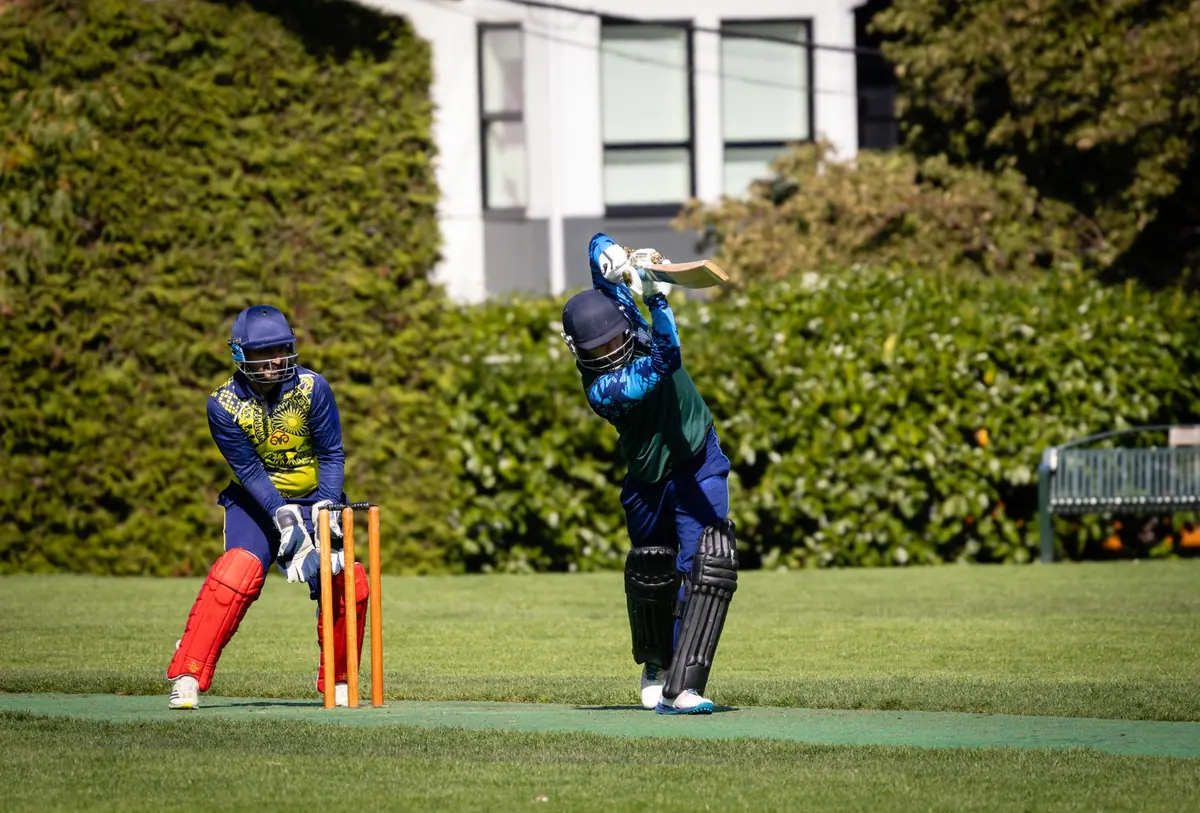
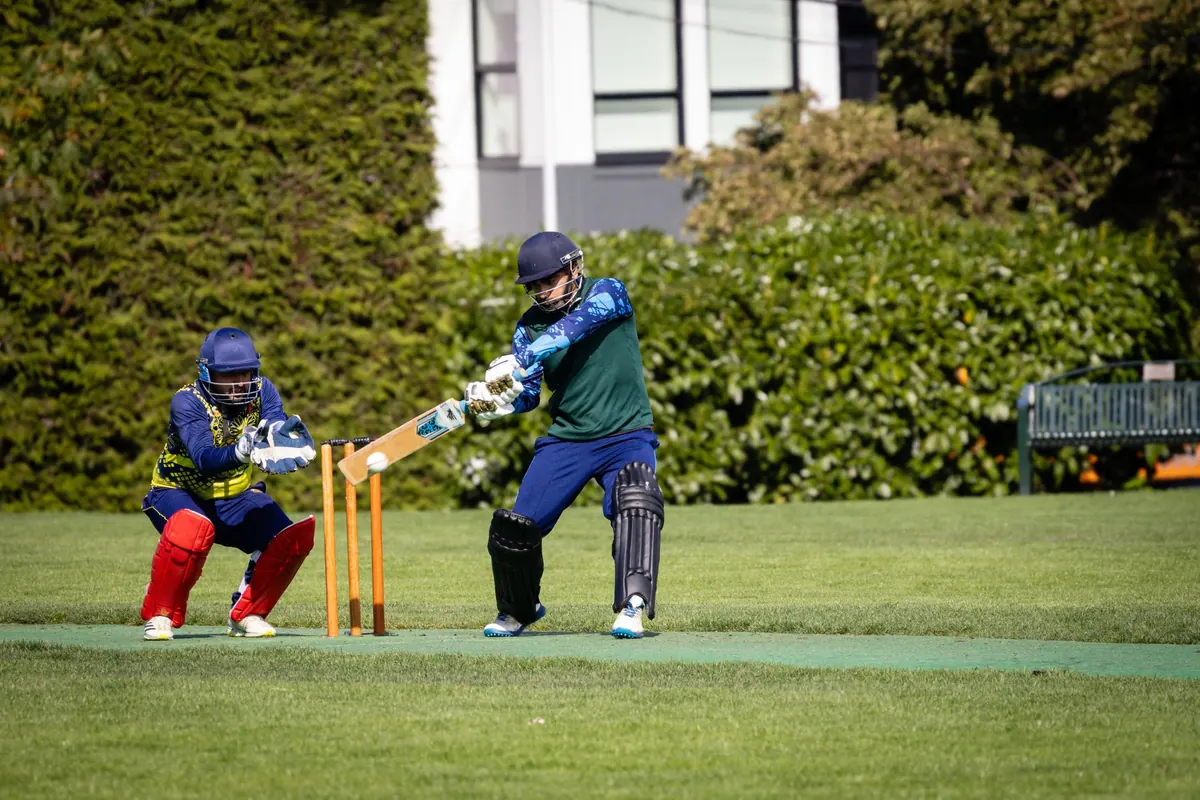
There is a moment in most matches when the wicketkeeper decides the result without hitting a boundary. A leg-side stumping off a ball that spun past the edge. A one-handed take down the leg side after the bowler had already turned to walk back to his mark. Then, half an hour later, the same player is padding up with a match to save.
That is the job now. Teams pick a wicketkeeper-batter and expect both halves to be genuine, not one skill hiding behind the other. Keeping is no longer a specialist's trade with a batting bonus attached to it. The role asks for a top-six batter who can also take 90 overs of seam and spin, stand up to the stumps when the pitch is slow, and stay the most alert person on the field for six hours.
What the modern role actually demands
Strip away the aesthetics and the job comes down to a handful of repeatable demands. Seeing them listed makes the training plan easier to build.
- Concentration that resets: not one long six-hour block, but hundreds of short, sharp moments. Walk to the side, look at the horizon or the scoreboard, breathe, come back in.
- Footwork that stays quiet: big, early movements look dramatic and cost you the low catch. The best keepers move late and small.
- Hands that give: the ball is taken with soft, relaxed fingers and absorbed, not snatched at with stiff wrists.
- Voice: fielders drift when nobody is talking. Applaud the good ball, move the ring, remind the bowler of the plan.
- A batting role you can name: whether you are the opener who sets the tone or the number seven who finishes an innings, know exactly which one you are this season.
Footwork: the whole game starts here
Standing back
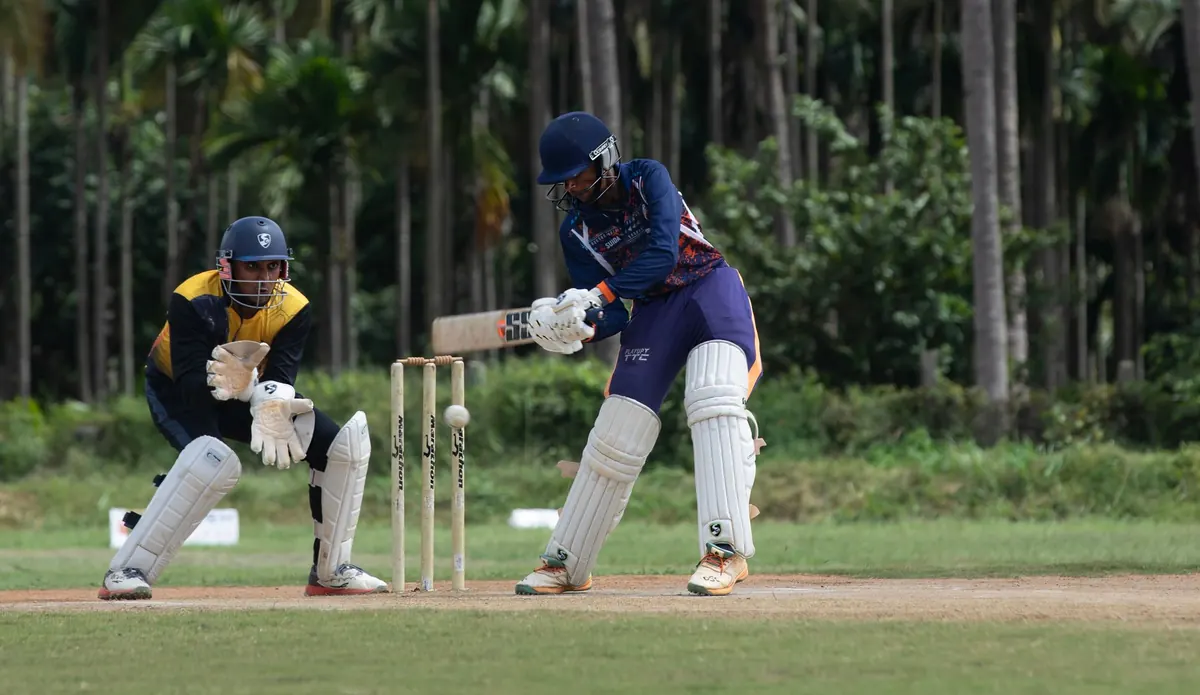
Start in a low, balanced crouch with weight on the balls of your feet and hands out in front of the body, roughly at knee height. As the bowler releases, take two or three short adjusting steps rather than one lunge, so you meet the ball beside your hip rather than reaching for it. If the ball is moving away, your first step decides whether you take it comfortably or dive.
Watch the ball from the hand, not from the pitch. On a seaming deck it is tempting to follow the bounce, but by then the ball is already past the bat and you are reacting late.
Standing up
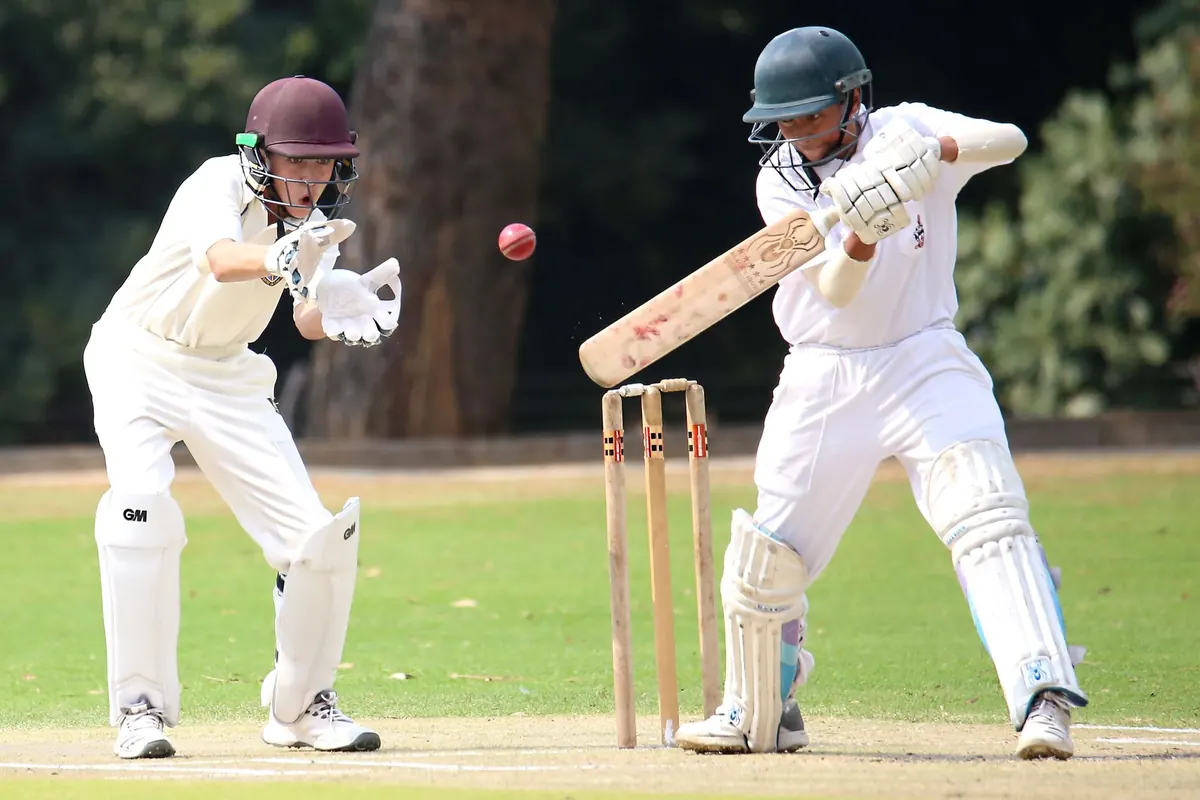
Closer to the stumps, your hands sit lower and your toes must stay behind the line. Two things matter more than anything else: keeping your weight forward so you can move down the leg side quickly, and accepting that the ball will beat the bat plenty of times. A keeper who flinches on those deliveries gives away byes and, worse, stops the bowler from attacking.
Stand up for the good ball, not for the highlight reel. The take you never had to dive for is the one that saved four runs.
Glovework: soft hands and quick transfers
Take the ball in the middle of the glove, with fingers relaxed and elbows slightly bent so your arms can give with the catch. A common fault is attacking the ball with straight arms; the ball then spills out on contact. Practise catching with your eyes on the ball until the last moment, then keep the glove still for a beat. That pause tells you the ball is secure before you throw.
Stumping work is a transfer problem as much as a catching one. Gather the ball close to the stumps, then move the hand to the stumps in one motion rather than winding up. Work on it with a partner rolling or throwing balls from different angles: down the leg side, wide outside off, and flat and fast as if it came off the pad. Aim for the same motion every time, so nothing needs deciding under pressure.
Fitness and the load of keeping
Keeping is a deep squat repeated hundreds of times, mixed with short sprints and dives. That makes hip, ankle and knee mobility the foundation, followed by single-leg strength and a genuinely strong trunk. Train the movements you actually use: deep squat holds, split squats, calf raises, and short bursts of acceleration from a crouch.
Practise with tired legs. Doing glovework fresh at the start of a session tells you very little; doing it after a running block tells you what will happen in the 70th over. Add a simple mobility routine before and after training, and keep hydration and food steady through long days in the field. If you have persistent knee, hip or lower-back pain, get it looked at by a physiotherapist rather than working through it.
Batting preparation for a keeper-batter
The switch from keeping to batting is the part most players handle badly. You come in hot, dehydrated and mentally flat, and the first twenty balls feel like they are being bowled at double speed. Plan the transition before the innings starts: know when your team is likely to bat, eat something small at the right time, change your shirt and gloves early if you can, and give yourself five minutes of quiet before you pad up.
In the nets, bat in the position you actually play and against the ball you will actually face. An opener should be practising leaving the new ball and playing straight; a finisher should be rehearsing the scoop, the low full toss and the strike rotation. Keep one session a week purely for keeping and one purely for batting so neither skill becomes a warm-up for the other.
Match-day habits that quietly matter
- Arrive early enough to do a proper warm-up: light jog, hip and ankle work, then gloves on for ten minutes of throw-downs.
- Check the pitch and the wind before play, and agree with your captain who takes which catches behind the stumps.
- Stand up to the spinner as soon as the ball is slow enough — it changes the batter's footwork more than any field change.
- Talk to the bowler between overs. One sentence, not a lecture.
- Keep a small notebook of dismissals you nearly created: the stumping you were late for, the catch that bounced out.
A practical week of drills
- Tennis-ball reactions (15 minutes, twice a week): a partner throws from ten yards onto a hard surface so the ball skids and deviates. No gloves, bare hands, so you feel the ball.
- Standing-up repetition (20 minutes): thirty balls from a spinner's angle, half down the leg side. Count clean takes only.
- Diving and recovery (10 minutes): dive to one side, get up, reset, dive the other way. Keeping is as much about the second effort as the first.
- Tired-legs glovework: end a fitness session with ten minutes of keeping. This is where the habit is built.
- Batting against the turning ball: 20 minutes of using your feet and sweeping, because that is what you will face after a long day's keeping.
None of this is glamorous, and that is rather the point. The player who takes a sharp stumping in the 60th over and then walks out to bat with a clear plan is not doing anything mysterious. He has simply practised the two halves of the job separately, trained for the fatigue that links them, and built habits that hold up when the match is tight. Start with the footwork and the drills you can do this week. The rest follows.
Photo: Anil Sharma / Pexels